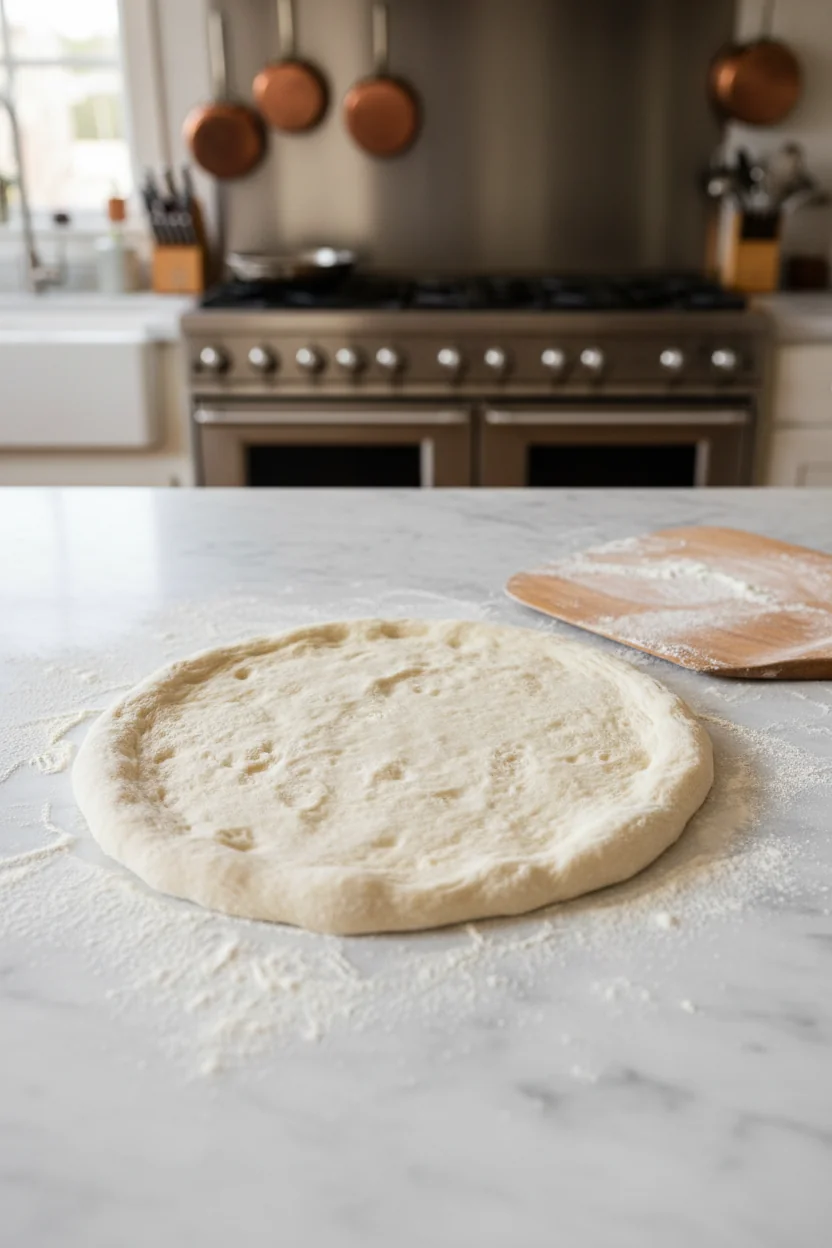
Look, pizza’s origins trace back to Naples, where simple dough fed bustling streets. The humble base carried tomatoes, cheese, and a bit of hope. I don’t want to brag, but my grandma would say the secret’s in letting the dough rest—just enough to whisper warmth. It’s not a race; it’s a gentle pause that lets flavors settle, like a calm afternoon. The technique has traveled far, yet the heart of it remains the same: flour, water, yeast, and a little patience.
Why You'll Love It
-
- Minimal ingredients, maximum flavor
-
- Soft interior with a crisp edge
-
- Works for any topping, sweet or savory
-
- Easy to freeze for later cravings
"The crust turned out so airy, I was blown away!"
Essential Ingredient Guide
- Bread flour: Higher protein gives the structure for that chewy chew; sift it for a light texture.
- Active dry yeast: Ensures a gentle rise; proof it in warm water to see it wake up.
- Olive oil: Adds richness and a tender crumb; drizzle a little on the dough before baking.
- Salt: Enhances flavor and tightens gluten; don’t skip it.
- Sugar: Feeds the yeast and adds a subtle sweetness; a teaspoon is enough.
- Water: Room‑temperature water creates a smooth, pliable dough; adjust if needed.
 Breakfast & Brunch
Cake Batter Overnight Oats Recipe
A dreamy, dessert‑like oatmeal that you prep the night before and enjoy cold or warmed.
Complete Cooking Process
-
Ingredient Readiness:
Measure flour, water, and yeast accurately; warm water helps the yeast activate.
-
Flavor Development:
Allow the dough to rest for 30 minutes; this autolyse step lets flour absorb water.
-
Texture Control:
Knead until the dough is smooth and elastic; it should pass the window‑pane test.
-
Finishing Touches:
Shape into a ball, coat with a thin layer of olive oil, and let it rise again.
-
Serving Timing:
Bake at a roaring hot oven (250 °C/475 °F) for 10‑12 minutes; serve immediately.
-
Use a pizza stone for an extra‑crisp base
-
Stretch, don’t roll, for airier edges
-
Add a splash of water to the oven for steam
-
Freeze dough balls for future evenings
Pro Tips
Well, after you’ve mastered the basics, you’ll find the process becomes second nature. I like to think of the dough as a quiet companion—listen to it, give it time, and it rewards you with that perfect bite. The fragrance of the crust as it browns is a reminder that good things often come from simple, patient work.
 Breakfast & Brunch
American Pancakes – Fluffy Breakfast Treat
Light, airy pancakes that drift like clouds on a plate, ideal for a relaxed morning.
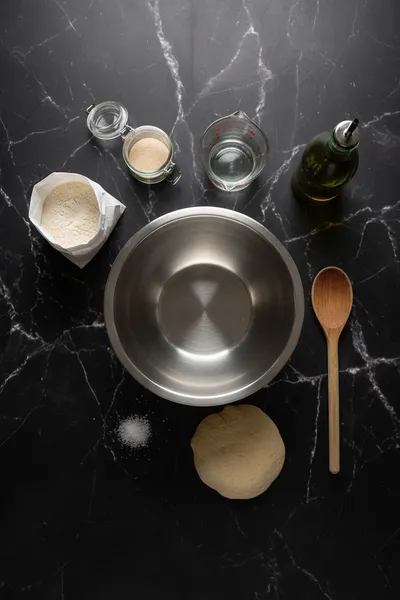
The essence of the dish:
It’s the simplicity of flour, water, and love that makes this dough sing. The crust is crisp, the interior is tender, and every bite carries a whisper of home.
A fun fact or historical angle:
Did you know that the first pizzerias in Naples used wood‑fired ovens that could reach 400 °C? That heat gave the crust its iconic leopard‑spot char.
Flavor or sensory focus:
You’ll notice a subtle nutty aroma from the toasted flour, a gentle sweetness from the sugar, and a clean salt bite that balances everything.
You Must Know
-
Never over‑mix; it toughens gluten
-
Let the dough rest; it improves elasticity
-
Pre‑heat your stone or steel for at least 45 minutes
Frequently Asked Questions
→ Can I use whole‑wheat flour?
Yes, swap up to half of the bread flour for whole‑wheat; you may need a little extra water.
→ How long can I store the dough?
Refrigerate for up to 3 days or freeze for up to 3 months; let it thaw in the fridge before shaping.
→ Do I need a pizza stone?
A stone gives the best crust, but a heavy baking sheet works fine if you pre‑heat it well.
→ What if my dough is sticky?
Add a sprinkle of flour while kneading; avoid over‑flouring as it can dry the dough.
→ Can I add herbs to the dough?
Absolutely—mix dried oregano or rosemary into the flour for extra aroma.
→ Is it okay to let the dough rise twice?
Yes, a second gentle rise after shaping improves texture and flavor.
Nutrition Facts
per serving
210
Calories
6g
Protein
32g
Carbs
6g
Fat
Taste Profile
A balanced, lightly sweet dough with a savory backbone.
Ingredient Substitutions
Don't have an ingredient? Try these alternatives
Will produce a slightly softer crust; add 1 tsp extra gluten if needed.
Works in a pinch but lacks the aromatic richness of olive oil.
Recipe Variations
Try these delicious twists on the original
Spicy Version
Add ½ tsp red pepper flakes to the flour for a gentle heat.
Mediterranean Style
Top with feta, olives, sun‑dried tomatoes, and a drizzle of lemon‑olive oil.
Common Mistakes to Avoid
Learn from others' mistakes for perfect results
- Using water that’s too hot and killing the yeast
- Over‑kneading, resulting in a tough crust
- Skipping the second rise, leading to a dense base
Meal Prep & Storage
Make Ahead Tips
You can let the dough rise, then freeze the dough balls; thaw in the fridge overnight before shaping.
Leftover Ideas
Reheat slices in a hot skillet with a lid for a few minutes to revive crispness.
Perfect Pairings
Serve this with...
Cooking Timeline
Gather and measure all ingredients.
Proof yeast, mix, and knead the dough.
First rise until doubled in size.
Punch down, divide, and shape balls; second short rise.
Pre‑heat oven with stone; stretch dough and add toppings.
Bake pizza, watch crust turn golden, then serve.
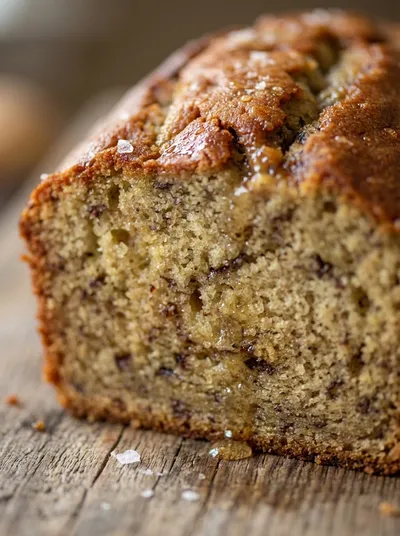 Breakfast & Brunch
Classic Moist Banana Bread Recipe
Moist classic banana bread, ideal for a comforting breakfast or afternoon treat.
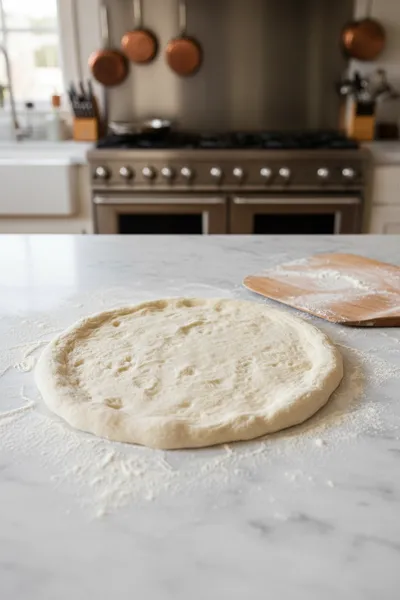
Best Ever Homemade Pizza Dough Recipe
A warm, straightforward guide to making pizza dough that feels like a hug from the kitchen, crisp on the edge and tender inside, ready in under an hour.
Timing
Prep Time
15 Minutes
Cook Time
12 Minutes
Total Time
27 Minutes
Recipe Details
Ingredients
Dough Ingredients
-
01
4 cups bread flour
-
02
1 ½ cups warm water (110°F/43°C)
-
03
2 tsp active dry yeast
-
04
1 tsp sugar
-
05
2 tsp salt
-
06
2 tbsp olive oil
Instructions
In a small bowl, dissolve the yeast and sugar in warm water; let it sit for 5‑7 minutes until foamy.
In a large mixing bowl, combine the flour and salt; make a well in the center.
Pour the foamy yeast mixture and olive oil into the well; stir until a shaggy dough forms.
Turn the dough onto a lightly floured surface and knead for 8‑10 minutes until smooth and elastic.
Place the dough in a lightly oiled bowl, cover with a damp cloth, and let it rise in a warm spot for 1‑1.5 hours, or until doubled.
Punch down the risen dough, divide into two balls, let rest 10 minutes, then stretch or roll out to your desired size; add toppings and bake at 250°C (475°F) for 10‑12 minutes.
Notes & Tips
-
1
If you prefer a thinner crust, roll the dough out larger and bake a minute longer.
-
2
For a chewier edge, leave a slightly thicker rim when shaping.
-
3
You can freeze dough balls after the first rise; just thaw before the second rise.
Tools You'll Need
-
Large mixing bowl
-
Measuring cups and spoons
-
Kitchen scale (optional)
-
Rolling pin or hands for stretching
-
Pizza stone or heavy baking sheet
-
Oven thermometer
Must-Know Tips
-
Don’t over‑mix; it toughens the gluten
-
Let the dough rest; it improves elasticity
-
Pre‑heat your stone for at least 45 minutes
-
Freeze dough balls for future nights
Professional Secrets
-
Room temperature ingredients ensure even fermentation
-
High oven heat creates that perfect blistered crust
-
A splash of water in the oven adds steam for a liftier crumb

Recipe by
Isabella🍫✨ Sweet, passionate, and hopelessly in love with chocolate! Isabella turns every cocoa moment into pure magic in your kitchen. 💋🍰
Get Delicious Recipes Weekly
Join 25,000+ home cooks getting our best recipes straight to their inbox.
Free forever • No spam • Unsubscribe anytime